Showing posts with label 1000 Fiction. Show all posts

Saturday, March 9, 2013

The Green Orbs

JPhoto

(This story was part of a contest, which had a theme. The theme was to write a 3-minute
story whereby the voice in the story was to leave a message on someone's answering machine.)


“Hello John. You won’t believe what I am about to tell you. The desert sun is setting out here as the sky burns with broad swaths of red and orange, yet there appears to be a green orb flashing in the foreground. I am standing before my picture window facing the vast open ranch land filled with grazing cattle. The green orb is coming closer becoming distinct. The shape is oblong with flashing lights.

It has now stopped about a half-mile away but remains as high in the sky as a flyover jet airliner. The vehicle remains still for the moment. Wait. Whoa! It has now shifted directions. It moved to the north at a very fast clip. You could say, the blink of an eye. But now it soared in the opposite direction at just as fast a rate.

It now is still. Hovering in the sky. Two other green flashing orbs have joined it. The color is of a deep forest green, although, very glossy. Sparkly. The sun is setting and the horizon is ablaze with wide swooping strokes of red, orange and yellow.

I am alone in the house. My dog Jones is also standing at the window. He sees the orbs, too. The hair on his neck is standing straight up in the air, and he is beginning to whine.

I don’t know what to make of this. I am feeling really anxious. What if it lands right out here? What do I do?

This message is to tell you that if I am no longer here this is why.

Hold on here! The green orbs are now joined by 6 more. These are white in color. There are now 9 orbs hovering in the sky to the south of me. They are now orbiting one another. Wait! They are coming closer now. They are spreading out to what looks like several hundred yards from down here. In the center are the three green orbs in a triangular formation, but all around them in a circular design are the other 6 equal distant from one another.

They continue to come closer!! Holy shit!! They are heading for the desert!! The cows
are all coming together congregating into a large herd and bellowing loudly. They are all calling out in unison!! What is happening? I am really beginning to sweat. My shirt is soaked. Jones runs in circles and then stops to look out the window.

I can see the orbs in detail now. They are oblong saucers. Just like in that old black and white 1960s movie, “The Day The Earth Stood Still!” They have windows all around but are darkly tinted, yet can see there is an amber glow inside the vehicle.

They appear to be a quarter mile up and about a tenth of a mile out. The orbs have all lined up horizontally. The three green ones are now descending, while the white ones are lifting. There is no sound as they move. The white orbs are very bright and have what looks like portals all around them. They are hovering around 500 yards above the green ones.

I am now holding binoculars and can see that on the underside are four smaller portals the size of car tires. In the center is a larger one the diameter of a tractor rim.

One green orb has separated from the others, and is now slowly moving toward the house.

It has landed 100 yards in front of me! Oh my God! It is opening up, John! It is opening!

...Beep.”

(596 words)


Wednesday, November 16, 2011

The Long Ride

JPhoto

The headlights faintly shined upon the pitch black roadway as he stared out the large tinted window five rows back from the front door. The tires whirled a steady drone down Interstate 77 toward Charleston, West Virginia. Reflective mirror images flashed black upon the riders as they drifted into impermanent and restless sleep.

Brief stops dotted the long, scenic trip through the quiet downtown streets of Marietta, Ohio with its quaint architecture that led them into desolate Parkersburg as Tuesday turned into Wednesday.

On the opposite side of the four lane, which turned into a two lane, then transitioned into an unknown Main Street, before rolling back onto the next four lane were buses, trucks and cars coming toward him, beginning as miniscule beams that grew into large ghostly headlights. In an instant, the Greyhound was in the same dimensional plane of each oncoming vehicle before exiting, leaving behind two disappearing red tail lights fading into the milky, dreamy, and wet fog coated darkening night.

The smell of the coach was that of a thousand mysterious and unknown lives fused into the vinyl seat covers, the rubber of the aisle mats, and the metal and plastic materials that formed into the old, tarnished interior skin throughout the worn insides of the cavernous vehicle.

He entered into, and then exited billions upon billions of moments in time all occupying specific spots on Earth, where people built towns, villages and cities lined with streets, sidewalks, alleys, lanes, churches, schools, and shops. And, as the bus passed into, and then drove away from the nearby spaces filled by strangers watching it from the outside, they, too, were also doing the same fleeting thing. We were all coming and going simultaneously.

The road ahead was hard to see as the street lamps illuminated the moving fog. He rode into Charleston silently without awakening a soul. Front porch lamps lit unintentional welcomes; then were left behind without anyone knowing. Lighted plastic signs on banks or gas stations guarded closed and locked doors.

The road suddenly turned into the early morning darkness as he moved away from the last place toward the next one. “Freedom Homes” and “84 Lumber” billboards became the new gateway with old blackened steel and vine covered railroad trestles arching above the highway entrance ramp routing him on, then off paving the way to his subsequent destination. This never ending series of “to’s and from’s” led him to his final destination where he would continue to enter and exit from newly experienced places occupying a particular time before moving on toward the next.

Time became noticeably linear passing from a single moment into another single moment like a long string of beads being place upon an endless thread. As one bead was placed upon the thread, a bead was left behind no longer in the present, but now realized as being left in the past just as a new one was dropped onto it.

The old moment enriching and impacting the next formed an endlessly expanding picture layered by lifelong fluid droplets of time. 

A single overhead light shined upon a mother and sleeping child sitting across the aisle within the cavernous body of the motor coach. He, and the others, traveled in single file behind other motorists entering and exiting the same spots before separating from the anonymous line of travelers.

He left Bluefield, West Virginia and the small drop-off station then chased a hazy crested moon back onto Interstate 77 South lighting the opening to a mile long mountain tunnel leaving where he had just been only to be greeted, on the other side, by a sign identifying where he was headed. 

Thursday, September 8, 2011

Stories of Lost Days


by jphoto


 In the far dark corners of the room lie deep, old, private stories. The place with its sterile feeling had pictures of grandchildren displayed upon the on windowsill, and, in the center was one framed with braided metal threads, standing vertical, shot in black and white tones of his deceased wife of 42 years taken dozens of years ago arms around each other young and beginning life.

Today he is dying slowly at 86 left in a nursing home by his daughter who rarely visits. Sharing the other bed in the room is a 92 year old also dying slowly sitting in a wheelchair facing a lit wall with nothing to see as oxygen flows into his nose through tiny tubes, sustaining his life, wrapped around his ears to keep it all in place.

Their lives filled with past worlds quietly held inside unless asked. Like a juke box loaded with single song records, their voices can tell stories of a lost time forgotten by many, while never shared by some held deep within the soul boxed and compressed pushed under piles of lost thoughts. A press of a button spins the tale.

Both men get dialysis twice a week, eat in their room because the dining hall is too discomforting. One lies in bed watching television, the other sits staring into nowhere. On his bedside tray is a partially filled snack bag, along with cups of water with lids, his urinal, and candy bars.

The conversation contained a hoping desire to return home, which appeared to be a losing dream. A return home would require more than what the one living there now could provide. The older man’s elderly wife doesn’t have the strength to lift her frail life partner who is unable to stand alone. The other man’s daughter appears to not want to be the sole caregiver to her own father who might find himself lost in the apartment hallway after stepping outside his cocooned space drifting further away from what would be most familiar.

Stories flowed from both as the three of us sat closely talking of the old days that formed their lives. The Second War had one in the Pacific as a fighter pilot’s tail gunner, and the other rode a Liberty ship as a Merchant Marine sailing from the Pacific to the Atlantic harboring in Australia, along side Chinese cargo vessels, roaming Sydney’s streets dancing the evening in the nightclubs far from the vast battlefield theaters. While docked in Italy, a German bomber attacked his ship exploding chards of metal breaking his legs, ultimately sending him home after 4 years at sea and war.

The older man returning from his tour unharmed went back to his hometown to design, and build valves for the rest of his working life. The younger man moved about the upper Midwest in search of a place to settle. Detroit lured him to a Dodge Motor Company auto plant close to his hometown in Ohio. Later, he found himself in Pittsburgh building electric heating elements for 40 years. At a big band dance, unable to artfully move his legs due to his injuries, he met his lifelong dream partner. As the dance ended, he drove her home knowing that he would never be without her.

Today both men alone in their rooms, after decades of setting suns, and as the sky changes from daylight to darkness, listen to the carts of food, bedding, medications being pushed up and down the halls. A smiling face enters their tiny space with a package of cookies for each and a word of encouragement.

We sit together talking as if huddled around a kitchen table sharing stories of our lives. Throughout the short 90 minute visit, both men smiling, joyful, and happy to be briefly cared for by a visitor.

Saturday, August 28, 2010

As It Was Remembered


JPhoto

The days passed one-by-one bundled into memories then rolled into decades. The experience was a haunting visual. We were just kids. Dares innocently escalating. Feats grew bigger than the last. We were only 15 when Joe began planning his “surprise”. He told Mo and me he would show us his “big adventure” when he was ready. He “had to prepare”. We did not know what he meant but it sounded risky.

Joe liked it dangerous. He would taunt rattlers. He found it thrilling to squat quietly down to the ground, steady still hands reaching, finger tips delicately propped on the dirt, near the entrance to a rattlesnake’s den, keenly watching one sliver over with it triangular spoon shaped head to his barefoot frog-like toes; and then, with the vaulting precision of a predator’s pounce, his hand firing a piercing surgical grasp upon the back of it’s head momentarily stunning it before finally reacting in fear, eyes glaring through its vertical pupil slits, tongue gyrating feverishly, as he grabbed the furiously loud rattling tail with his other hand. Its black striped back with that red ridgeline flashing in our own eyes like a neon sign at midnight on a hauntingly dark empty street.

With the attention and caution of a wild animal trainer, he moved, but his spirit was full of laughter and joy. “Mo. Brent. Come check out my Canebraker!” He approached everything he did in this way. His fears were so controlled and measured. We deeply respected his dare-devilishness believing his gifts were divinely endowed.

With care, caution and tenderness, he would find a rock, which would act as a barrier between himself and the snake. He would kneel down before the rock, then lean over it, belly flat upon the surface still holding his prisoner, reach out at arm’s length, lay the now quieted and numb rattler on the ground letting it go. Without any defensive response, it would just move along as if nothing had happened. A hypnotic trance had been placed upon the creature through the hands of this young snake charmer.

At the abandoned rock quarry, he would not only dive off the five storied jagged limestone cliffs overlooking the oval walled ten acre spring fed pool below, but perform backward twists and flips into the cold 40 foot deep turquoise colored water. He was a master of the mind and body like no other we who knew him had ever seen before.

We lived close to the Shenandoah Mountains in Virginia. Our hamlet was 15 miles away nestled in the fertile farmland below. We could see the rooftops of each other’s homes across the plowed fields of wheat and corn with two mountain ranges in the background from my front yard porch. The summer sunset sky would go ablaze with burning hues of orange and yellow and red streaks.

Often we would take overnight pack hikes into the mountains along the trails in very late spring when the Mountain Laurel was in bloom lining our way with their fragrant small delicate white or pink blossoms adorned with nine red spots encircling those same many star pointed clusters of delicate flowers. The mountain-bred deer gentle enough to walk close if one sat and talked to them in a quiet, soothing tonal voice. Spotted faun would prance in full view entertaining anyone willing to watch.

The three of us, and occasionally others, would hike one to two nights sleeping on the ground with our thinly warn down bags along the trail listening to the sound of fast running water just a few feet away, while the sky filled with dancing meteors, as we stared upon the gloriousness of the endless array of constellations.

Our bond as friends went very deep. We called ourselves Amigos, and could read the minds and thoughts of each other.

We loved Overall Run Falls and hiked all around the trails surrounding the series of cascading cliffs where the rushing waters fell to the bottom a swift seven miles from the top.

It was on this warm summer Saturday in July with its rare dry breeze blowing threw the trees and across the wide expanse of rock and cascading river falls. At the top, Joe said, “I am ready for “my adventure”. I am going to do it today. I feel ready.” Ready for what, I said? “I am going over the falls, and I need you to be my witness.” “And don’t try to tell me different. I have my mind made up. I’m doin’it guys. So let it be. Just help me. OK?”

He pulled out from the bottom pack roll tied to his old Kelty backpack a helmet, goggles, a full wet suit with gloves and booties, and three inner tube tires and a pump. Riveted to the back and bottom of the football helmet, that dangled from the pack’s aluminum frame, was a plastic plate that was 14 inches long going down his spine which strapped under his arms across his chest. Two motorcycle inner tubes were tied together around his waist after being pumped up. The third was from a kid’s dirt bike, tied to the other two and loosely secured around his ankles. His homemade flotation device was crazy.

We helped him assemble his contraption as he lay on the ground. We carried him to the edge of the flat water as it tumbled toward the falls. We told him he had to scoot in on his own as we said, “Joe, you can say no to this and no one will ever know. We promise!” “I’m doin’it guys. See ya at the bottom.” “Now, get your butts down the trail to the big, long, flat drop into the gorge and watch me go down. Run. I’ll give ya 10.”

We got to the lookout and saw this tiny black bullet taken down toward the falls. When he got to the vertical sheet of icy rumbling water, his body stiffened riding along the surface attempting to navigate the natural water slide, hugging the right side of the falls plunging into the first horizontal ledge pool surrounded by the gorge, bouncing up and down like a fishing bobber as he soared atop the wide and long roaring second vertical making sure he took the right fork of the fall’s forward-projecting turbulent water, instead of the left-side’s sheer drop both converging into a pool piled with log jamming debris. It was there that we lost sight. The silent fear of death and a horribly mangled body terrorized the entire run down to the bottom four more miles to the final pool where unaware sunbathers waded playfully. Joe yelled on the way down for people to get away. “Get out down there; get out; danger; get out; get out of the way. I’m comin’ down on ya! And, I comin’ down fast!”

Floating in the pool when we reached him, three waders were pulling Joe out. He was laughing and hollerin’ in joy. He made it. A miracle. Intact! We ran to our daredevil friend and he hugged us both as we danced up and down in a ceremonial-like circle holding our strange looking frogman in this impromptu embrace of the fantastic.

Here I stand now at that same lookout starring over the falls remembering that monumental day where my life changed and I knew that challenges could be won if you really wanted them badly enough.

I stand alone watching the water cascade the falls. Joe and Mo coming tomorrow to celebrate what had happened four decades ago, to the day, since we were last here together on that crazy afternoon in July. And, what a great celebration of life tomorrow it will be. (1291 word count)

Wednesday, August 4, 2010

Valerie Ann Tyne


(This story has a traditional short story length.)

My mama was a whimsical southern lady who liked to wear gauzy cotton tops with faded blue jeans. Nothin’ fancy about her, but always liked blue skies and breezy afternoons especially when summer poppies began to open up laying out their orange and red petals with those yellow centers throughout the front garden made into a circular mound filled with wild flowers of different colors and heights. They rose up like delicate doll-like umbrellas inviting hummingbirds to stand and dip their beaks into the spots where they found their sweet drinks easy to get to. She liked to tell me that I was born on February 14th. And I will add the year was 1956. Livin’ in the South Carolina town of Kilborn was a fine place with a good hospital, but I was born at home. In the livin’ room with all my family standin’ around hootin’ and a hollerin’ once that little head of mine, all coated in those silky strands of brown thread-like hair, began to show itself to them all.

My mama bought everyone party hats and streamer whistles, which were the same ones that I had at my first birthday party. That was the one where playing in the cake seemed to be as much fun as getting to eat it in those subsequent years where friends would come over and help to celebrate the addition of another year bringing me closer to enjoyin’ opening all those presents that excited me so much. Oh, how you would remind everyone you knew that a birthday was coming and that it wouldn’t be polite to forget it!

My mama liked to tell everyone that she did not know what my name was gonna be until I popped my head out. Daddy didn’t have much say in the name callin, which was OK with him. He’d sooner leave it up to mama. So when the moment came, the crowd yelled out in unison, “So, Jenny Sue, what’s your baby girl’s name gonna be?”

Aunt Lena tells it that Jenny Sue propped her arms up on that aluminum chaise lounge chair with those plastic straps woven through it makin’ it easy to lay on and not sweat in the heat of the sun while stretched out there with a hat over your face. Daddy brought it into the house for her to birth me on, and said, “Gosh, thinkin that today is Valentine’s Day, I’ll name her Valerie Ann.” That name was shortened to Val Ann. And since my last name is Tyne, when you’all  put that together it says, Val Ann Tyne—Valentine. From then on, I was mama’s valentine. Daddy thought that was sweet, and Aunt Lena said he grinned so far up his face that his eyes were shut closed from the bottom up and the tears came streaming out like a heavy rain pouring off the roof and down the wall of a gutterless barn shed. They poured out in sheets. Daddy was so happy to see me for the first time, he brought everyone to cryin’ those joyful tears, too..

Having the name Val Ann was just fine, since most people didn’t notice except for my friends and family. But once kids and adults caught on, many called me Val Ann Tyne as like my whole first name. Sorta like if a boy had the first name of Billy and the last name of Bob, he would likely be called Billy Bob all the time. It just all fits, as does Val Ann Tyne. I liked it. Most of the time, it sounded nice and friendly. Like when you went over to the Cozy Inn Dinner and Georgia Mae would call you Honey. I know this lady whose parents named her Honey for real!! Everyone called her Honey, even strangers. I bet that felt weird to call a lady stranger Honey. If I were a man, I would be real shy about sayin’ that name out loud. But I guess, you’d get used to it.

It was always fun to sign my name on Valentine’s Day cards “Valanntyne” as one word. I thought that was special. Growin’ up and once in Center Valley High School, population 500, the boys liked to call me Valanntyne. It made me feel cute and sweet. I was not in the crowd with all the popular kids but stood aside in a shy, but dignified way. I was friendly, and kind with my school peers, but mostly stuck to a more quiet group of girls.

I liked to read stories about girls growing up and becoming either famous or independent. I wanted to keep going to school after high school graduation and study writing. At home, I would create stories about girls that grew up country, but went off to the big city, such as Savannah, or Charleston, and went off to a job in a woman’s gray summer flannel suit with black high heels, and sat in a nice fancy office making decisions for other people to follow. Brainy girls was what I liked to make stories about. I wanted to be a brainy lady.

I saw how stayin’ in Kilborn was not always the best thing for people because they never got away from one another. The girls and guys that never went away and worked on their daddy’s  farm, or over at the sawmill or at the cloth factory got stuck doin’ the same things for way too long.

Havin’ babies after high school and then, takin’ care of a boy-husband scared me too much. I did not think I would be good at it. Boy-husbands sometimes had too many beers at night, and palled around with their buddies for way too many hours for my taste. Little kids need both parents tendin’ to them and teachin’ ‘em without having to yell a lot.

I thought getting away and getting schooled for a job that was yours to be proud of sounded real good to me. And that is what led me to Norfolk, Virginia and study writing. Mama always felt it would be good for her Val Ann Tyne to do just what was felt to be right. She had a breezy way of thinking.

My daddy worked over at Miller’s Chrysler fixing cars, and ran the parts department for a long time. He was good with his hands, as was mama. They liked doing those things together.

In the back of our house was a barn shed, and the two of them would make cane and twig chairs to sell at the summer fairs or to dealers from the big cities. The two of them would go out in the woods together and gather up pieces of maple and poplar and even oak to make all kinds of chairs mostly for the outdoors, but even for the what folks would call a Farm table, which was a long wooden planked table with a foot trestle bar along the bottom.

Mama would also make twig baskets and bird houses. They had busy hands, and they always told me that hands were made to be that way. They would say that writing stories made busy hands, too. It was just us three, and when I left for university, it was just them alone. They seemed to like it, but I surely missed them and came home whenever I could.

It was 1974 when I went off to Old Dominion University and studied writing. I graduated and went off to New York University to get a masters degree in film and script writing, where I was writing plays, short stories, and film scripts.

Having the name Val Ann Tyne brought me a lot of attention from people who were always asking how I got my name and what a nice name it was. My school peers would tell me that it was a real hippie name and I was lucky to have it. Jimmy Lee felt that way, too. There was a name that struck me as a name like mine. The whole name became like a single first name. Everyone called him Jimmylee.

Living in New York City was a lot different than South Carolina. The buildings , the streets, the people , the noise, and traffic all were so busy. In Kilborn, you could go out on a clear night and gaze into the galaxy following the star paths outlining the constellations. The sky is so big with nothing in its way. But here in New York City, you feel like you are inside a laboratory made to look like a big city. You don’t feel like there is an outside; a place beyond the enclosed boundaries. For many that does not matter. They go about their business, going here and there, gathering and hunting, then heading back to their small hutches, knowing that the world beyond the covered window never stops hustling.

In my rental room, inside a women’s rooming house, blocks from the university, I have a bed, a desk and two folding chairs. One being a chaise lounge with vinyl webbing and a cushion. It keeps me connected to mama and Kilborn. My desk is nestled under the window facing Sullivan street. I often watch the kids hanging out playing their music on transistor radios tuned into R and B stations. I feel like I am in a long needle pine tree, in my nest, hearing the chirping of the young birds flitting around the ground as they peck for insects or seeds. The desk was made by my dad, which had boards that all fitted together like the leaves of a fancy dining room table. The legs were crates he made from pine boards that, too, fastened together one on top of the other. My room was portable and easy to pack up whenever that day would come. My writing included the past and the present, and the not yet here. I often wrote alone, but JimmyLee would ask me to write with him.

He was from Long Island, way out on the tip. His parents were career people. Traveling by train into the city walking daily to their own ad agency and production company. They lived in what they called a village. It was easy to walk to it from their home. The house was decorated with antiques, Persian rugs, and European impressionistic paintings. A mixture of soft and bold filled the house. Jimmylee would sometimes write copy for them and direct photo shoots. I would join him, at times, and would get a chance to participate and test my skills.

Living in a big, fast paced city caused me to inch away from the very folksy way of speaking that I felt so comfortable with back home. It was what described me. I wore it like a swirl of wind that would blow your hair when standing on a high peak as you looked across the meadows in spring with the pines standing watch from behind. The accent was what made all of us strong in Kilborn. No one challenged it. Here in a city that often has foreign born, accents and dialects it is an everyday part of life. Yet, the New York accent is strong and embedding even if one comes from an exotic location. I never adopted what comes natural for a native New Yorker, but did lose a portion of my Southern-speak. JimmyLee had his accent so thick you could spread one sentence over an entire paragraph like  one big fat smear of peanut butter covers over a entire cracker.

In the city, JimmyLee and I would walk down to Bleecher Street and find a café spot to sit, talk and write together. Even though it was over 10 years past the time when Bob Dylan, Alan Ginsberg, and Joan Biaz roamed the same streets and cafés, I felt an extension of it. I felt I was continuing some of the work that was nurtured here. People carried their guitars, wore Indian print clothing, and jeans. The store smells of incense drifted out into the streets, as young lovers walked arm-in-arm passing joints.

JimmyLee asked me to help him work on some projects that his parents needed done. These were big contracts for major accounts. He confided that I was more talented than he, and it was unlikely he could accomplish these writing and production jobs without my help. One project was to be a film for a New York City folk singer songwriter who spent his youth hanging out in the Village doing gigs and gaining worldwide fame. He wanted a short documentary of his old haunts and walk-ups. He gave us a list of old friends and other musicians, as well as including some of his past lovers into the piece. JimmyLee and I were hoping to use this documentary for our graduation film project.

Roaming the Village and arranging rendezvous’ with these people was like entering a world most often closed off to many, especially southern country girl-hicks like me. JimmyLee seemed to feel more comfortable and not intimated by them.

Mama would get so excited when telling her who I was meeting and what we were told about our client. She said, “My valentine, it is like listen’ to a gossip magazine article. All those special secrets you are capturing on film seems so excitin’. Who would have thought my girl would find herself rubbin’ her elbows with such people.” I felt the same way.

Actually, our subjects were thrilled, too. They were just as excited to spill their secrets to us while we ran the camera. The former lovers were interested in tellin’ us about the kinky sex they engaged in. For me, hearing how they would go down on each other in cabs, back of theaters, and have sex in train station bathroom stalls. I guess I was inexperienced in that kind of work. JimmyLee wouldn’t flinch an eye, but I had to hold back my eyebrows from brushin’ up against my hairline.

Our client, now 45 years old, who wrote bluesy folk songs and catchy beat pop rhythms, played masterfully and with artful beauty his acoustic and electric guitars. He often played with a small band throughout Europe and the lower 48. He lived in the “City” and had a farm in upstate New York. He rode a motorcycle in the City, but had a vintage BMC Sun-Tor Caravanette motorhome that he took up to his farm. We rode up to his farm in this dark green Morris Oxford wagon with a pop-up top and tight but cozy sleeping-camping quarters behind the front seats. He said he brought it back from London, where he lived for a year hanging with George Harrison writing songs and playing together and with his friends.

He dressed in very faded and worn-hard blue jeans, with snap buttoned shirts behind an old but cared for woolen baggy sweaters that his grandfather might have owned in his youth. He covered himself with a heavy dark brown canvas barn coat topped with a light brown collar. A big, thick multi-colored striped scarf encased his neck and hung down to the bottom of his coat in the front and back when the wind blew cold around the back streets of quiet brownstones. He stood 6 foot, with long legs attached to feet that fit comfortably inside older, but cared for, tan suede Beatle boots. His dark black hair was covered in ringlets in a bushy random and loose array. He wasn’t one to wear dark glasses as many who roamed the cafés and streets throughout the city often did. His eyes were light grey like a wolf. His face, on one day, had several days of beard growth, while on another he wore it smooth. He smiled often and had a gentle voice and soft touch. He was kind and generous to all who spoke to him. When he spoke, his words drifted out of his mouth like a cottonwood seed floating through the air on upward and downward currents, yet allowing one’s eye to stay with the travel easily. When he sang, he had furry with one song, yet tenderness with another.

When we met with him in his favorite coffee house, he would have an old guitar stored there. There were days he would sit and play it as we talked, and filmed, while on other days, he actually performed doing his own, as well as other artist’s songs.

His friends, family and former lovers were all fond of him, as they spoke of his childhood and adult days. It seemed no one harbored any anger, resentment, or jealousy toward him. He was who he was. If there was a way for someone to be a drifter, and a boxcar jumper but never leaving home, then that was him.

His songs were about heading out, working hard, loneliness, missing a one time lost love, mountains, hiking, thinking, growing up, and getting old. His band mates spoke about his songs, how they all worked together, and the other bands they hung with around the world.

Our film was forming into a full-length documentary and more than just some footage to be shown on a screen behind him while doing some shows. JimmyLee and I were excited about what we had captured and spent all of time talking about it and planning our moves to complete it. He was so pleased that I took hold of the directing of the shots, the dialogue exchanges, and lighting. He, more or less, was there as my brain’s other half helping solve and analyze our hurdles and roadblocks.

Back on campus, we spent hours and hours spooling film, cutting and splicing. Editing was so hard. JimmyLee had a good sense with how to organize the story. We also had around a hundred still photos loaned to us by many to incorporate into the film.

Summer had come and gone. The trip up to His farm in his Sun-Tor carvanette was long gone, and winter had settled in. It was a sunny Saturday in New York City, and I had taken the subway into Manhattan to walk around for a while thinking about what I will do after graduation. Where will I go? What about JimmyLee? Our relationship has been close but only as friends and project partners. It was good. I was not wantin’ anything more. We both felt our work came first, right now. His parents wanted him to work with them. They had plans for him. Big plans with big money to tempt him.

At times, I thought about movin’ closer to home. I did miss being south and near the nice beaches and forests. JimmyLee was used to somethin’ else. The big city life was carved into his soul. He liked the pace of life he grew to know. Walking up the old heavy black sculpted banister leading from the street down to the underground subway platform, I saw Him, my client, Nick. I stopped and watched him come closer in a heavy Navy Peacoat with his scarf wrapped around his neck and hands in his pockets. His face smiling gently and eyes hooked to mine. I saw him come near me, as I stood still waiting for his body to become larger as the perspective closed in tighter.

He said my name, Val, to me. He greeted me with Val, and not Val Ann as most do. I was Val to him. He reached out and hugged me, and I him. Lightly, softly, with an embrace saying, “sweet friend- dear friend-close friend-hey-friend, you know me better than most.” He asked me to go hear his friend play at a club on the Upper West Side and join him for a Chinese dinner. I told him yes. He smiled and touched the back of my neck, stroking my straight brown hair as his hand moved down my back.

Under a twilit sky or dark orange, red and yellow bands, wide and sweeping the horizon, with a black shaded evening canopy pulling the colors down, closing in the night, we walked to this small, family-owned storefront restaurant straight and narrow lined with 6 tables along the wall and 6 running parallel. Metal diner chairs from the 1950s with vinyl seats and backs held together with pitted chrome frames sat before handmade plywood and 4 by 4 legged tables covered in brightly colored plastic table clothes. The place was nearly full of young hippie types, along with Chinese people. We found a table and sat down in the back corner by the kitchen and across from the employee’s table that was spewn with Chinese newspapers and partially eaten food bowls with chopsticks resting across the top.

We quickly ordered, since we both appeared to have favorites. Water filled in clear plastic tumblers were placed before us. “How is the film piece coming,” he asked? “Is the editing getting somewhere?” “JimmyLee and I have most of it done. It has taken hours to go through all the footage and photos putting it all together. Then, of course, synching it with your music. If it is alright with you, we want to submit it to the New York Film Festival.” “Sure! That would be very cool. You and JimmyLee working well together?” “Ya, sure, we get along well. He often yields to my recommendations and decision choices. He says I have a knack for film production.” “It all sounds really great, Val!”

As we talked, he drew in a small spiral pocket tablet he pulled from his coat pocket. He writes a note and passes it to me.

                                   Small leaf lies on snow,
                                   Fresh white powder blows over it,
                                   What was is hidden.

I read the haiku poem and stared at it for what seemed a long time before looking up. When my head lifted from the paper, his eyes met mine and he smiled. “Just something to think about. What IS may not really be what you think it IS. Believe in what comes clear to you.”

Mama used to say, you can’t always trust what you see. A frozen pond might break under ya. Be careful where ya walk, your shoes might get muddy.

 “Thanks for this. It’s sweet of you to write me somethin’ special and personal.” Nick responded, “I like you. We are friends. Friends share with one another and always exchange gifts of various sorts. Small as they may be.”

The waiter came back with our food, and we divided our individual portions and shared. He toasted to the film project with our water glasses, and said, “Threads of two lives have been wound around the spool. On to the New York Film Festival.”

Once finished, we walked amongst the bustle of a city that never sleeps to a small club, beneath a street level boutique where the walls were lined with old heavy red brick, lit softly, with round cast iron pedestal tables attached to circular plywood tops covered in small colored tiles laid out randomly. We moved up close and sat with his friend’s wife who had brought her own friend. They were Nick’s age or older. His friend wore shoulder length wavy black hair, brushed behind his ears, and had a clean-shaven face that extenuated his long straight nose with slightly flaring nostrils. His body thin, wearing black jeans and a cable knit grey heavy style rolled turtleneck sweater as he sat on a barstool electric guitar in hand with a drummer and bass player behind. He played southern blues songs, which reminded me of South Carolina and the Bayou. Nick told me that his wife grew up in Woodstock, New York, but had friends in Queens that put them up every time they pass through town. They lived in Nashville, where Nick’s friend does studio work much of the time, but does have this trio that plays gigs from there to here and back around again.

We sat and hung out, listening to couples and others clang glasses, and talk about their lives and the swirls of moments that stick together to make time worth living. How each and everyone of us in this place has so many swirls of moments that move in parallel rarely bumping into one another except for tonight. Then maybe one day walking down a street in the city or nearby, or standing in line somewhere, or next to one another on a subway car or platform, when we glance at each other and for a moment, a distant memory is jostled and we think we know each other from somewhere else. And then, our minds say how that could be but cannot remember exact that place in time when we each, or separately noticed one another making that split second impression stick among all the impressions that vanish and disappear into some memory waste basket all crumbled up so that nothing familiar can ever be retrieved.

“Hi, I’m Linda,” the musician’s wife leaned over and quietly said to me. “Hi. I’m Val Ann. Nice to meet you.” Nick stretched over to us both and said to Linda, “Her last name in Tyne. Which makes her full name Val Ann Tyne. Valanntyne.” Linda looked over, cocking her torso in a C-shaped kinda way from me, and said, “Wow. What a great name. What a great name.” Her friend’s name was Judith, and the three of us had a pleasant time laughing and sharing stories.

After the night was over, we headed back to Washington Square, which was just a few blocks from my room. Nick and I hugged close and said good night. I walked up to my room, went to the window and peered out from around the curtain and could see him walk down the street and into the lamppost lit night.

Winter moved closer to spring and graduation. The film was finished and in the hands of our film committee, which would judge it as part of the graduation process. We both loved it. The work put into it was enormous. We broke the footage into a 30-minute version, and the 90-minute full-length piece that would be entered into the film festival.

JimmyLee and I talked about what we were going to do after it was all over. Once school was behind us. His parents offered him a position as the business’s film production director. He asked me to come on with him. I wasn’t sure how we would be as paid employees working for his parents, buty I said I’d think about it. He told me that it could work and maybe to give it a try. He wanted me with him there.

Mama and daddy were coming to New York for graduation and our film opening at the club where Nick most often played. He had not seen it, and wanted to wait until the opening evening. He wanted to be surprised. He invited his mother and sister, and all his friends.

The committee in the film department was extremely impressed with our work, and said they would do whatever it took to make sure it was part of the New York City Film Festival. JimmyLee and I were so happy. It drew us together in a deep way. As partners would be in business, but maybe more, too.

The week of graduation arrived. The day in May was warm, sunny with billowy clouds gently bumping into one another to keep the parade of white moving below the bright blue canopy. JimmyLee’s parents were there, and I introduced them to my parents. The men shook hands warmly with smiles and shoulder pats, while the mothers hugged and kissed each other’s cheeks. Mama and daddy came a few days early, and my landlady was kind enough to set them up in an empty sleeping room so they would not need to find a hotel. She even took my mama to a small lady’s clothing shop in the village where she thought a nice dress for the ceremony could be found there being that my mama was a flower child at heart.

I made sure that Nick was invited to the graduation, and he was there greeting everyone, too. He was dressed so handsomely with a black and blue/silver threaded sharkskin type sports jacket, he told me he bought it while in London, and under it he wore a medium blue snap style shirt with a thin black tie. His pants were black jeans. He was happy for both JimmyLee and me for finally being done.

That night, we all went to the club for the film opening. JimmyLee and the rest of our crew got there early to make sure all was set up and ready. The place filled. There was not even standing room in the back, it was so packed.

The film went on, and the crowd roared, clapped and whistled. All went silent and it began. Once the credits rolled at the end, the crowd clapped so loudly that the drinking glasses began to clink together. Nick came over and hugged JimmyLee and I both together, and kissed us both, too. He said that was great. Beautiful. Touching but honest. The music performances were incredible. Nick’s mother was crying with joy, and his sister, Rita, came over and hugged me, too. “You are a talented woman. You made this film so it would touch the hearts of all who will see it. Thank you dear woman.”

That night, the club owner prepared a fantastic feast for all of us. Toasts were made and speeches were spoken. I was mostly quiet and JimmyLee toasted me and my talents, and how the film could not be done without my abilities. He thanked me for being part of it. I then, toasted him for all his help and how I could not have done it without him. But, then, I toasted Nick. I thanked him dearly for his friendship, his kindness, and his support. And that this film was about him and nothing more. It was a dedication to his lifelong career and talent.

He came over as the party was breaking up and gave me a gentle kiss on the lips and hoped our friendship would continue no matter where life took me. I embraced him and assured him so.

JimmyLee started working downtown at his parent’s agency working as film director. I did some work part-time for him, too. We prepared the film for the fall New York Film Festival, filling out all the paperwork and designing the poster and press release information. It was now July’s end, and I got a call from daddy that mama had taken ill and would I come home. I, of course, told him right away. JimmyLee told me not to worry and that he would wrap up all our loose ends while I was gone.

I told Nick that I had to go back to Kilborn to visit my mother who had taken seriously ill. He said he would drive me there that evening after I packed up my things for the stay. I told that I might be staying a while. He told me that was fine. He could take care of himself.

We jumped into the carvanette, and drove the 11 hours back to Kilborn. Daddy was so glad to see the both of us and once settled in, he took us to the hospital. Mama was all hooked up to tubes and monitors. She had an aneurism in her brain and the doctors said that a specialist surgeon was coming over from Columbia to do the operation. She was going under the knife in two days and would be drugged until the operation was over.

The room was a stark white but had two twig rocking chairs for us to sit on, which daddy brought over. Nick was so kind and had his guitar while  the two of us hung around the room. He played mama’s requests, if he knew them. Some lullabies, too. Daddy could come and go from work, but he did go in everyday, otherwise, he would he couldn’t manage his mind and body together. The two would jump apart like little magnet toys repelling each other not being able to stick to one another.

Mama’s lady friends would come and visit, as well as Aunt Lena, her younger sister. There were bud vases around with stem flowers adding color and the feeling of garden to the room.

Surgery morning came, and mama was deeply sedated. I stood over her holding her hand with my lips touching the back of her palm and began to think how she was this whimsical lady who loved gauzy cotton shirts and faded blue jeans. She taught me so much and gave me a beautiful name.

Wednesday, May 19, 2010

Non Petrol Culture


Have you ever done an Amish person? They are so much the best, so healthy, back in the day I met a girl who was in the middle of her rumshpringa, it was a time I'll never forget.  She was all about no time like the present!

I remember we would sit up on the crest of this hill that overlooked her six hundred acre farm, drinking cheap beer and having sex in the back seat of my car. She was seventeen and I had just turned eighteen. 

The strange thing was that normally Amish people dress with humility in mind, but because she was doing the rumshpringa, she would buy the craziest loud clothing from Kmart.  She worked out at a Burger King on the interstate during this time of run around.

I would leave and she would walk down this winding road to the families big white clapboard farm house, it had a great front porch on it, I never even thought about going down there with her or even asking to meet her family.

I stopped by their farm when I was in my late 30's to buy a pie, I walked right up onto that great porch, memories bubbling, the place had not changed a bit, I yelled "anybody home" and the screen door swung open and this young girl runs out, wearing a white bonnet and blue romper, she was barefoot, maybe 15 years old, and she looked just like i remembered her mom looking. She took my breath away, I said to her, "you have a beautiful farm", and she looked at me and smiled and "We do, we like it".

I was tempted to ask to talk with her mom, but figured I had gone back into the time tunnel far enough for that day, took my pie and got the heck out of there.

As I turned to walk away, I could have sworn I saw her mom in the window, but who knows, they never use curtains, so it could have been anyone.

I enjoyed every bite of that pie, strange how reality is ok that way.  Petrol culture won't leave you with any memories at all.

Submitted by Carl Cimini

Sunday, May 2, 2010

Farm Truck

JPhoto

Grandpap collected old trucks. He bought or traded just about anything. Pickers knew he had old, rusty vintage relics parked on the farm. Rich kids bought old Chevy panels, or Ford pickups to have restored that they drove off to college. 
The 300 acre farm sat back on a dirt road after the blacktop ran out near Saratoga Springs, New York. I would spend my summers with him and my grandmother. He taught life. He’d say if the nation ever got shut down for one reason or another, he would keep going. Ir was a real place where work never stopped except at bedtime. 
Farm animals, crops, equipment and fences were daily chores. Trading led to collecting, a thread that bound this hamlet community of self-sustaining farmers.  Neighbors pay one another with an old oak farm table, or in well used and darkened  empty French oak wine barrels, or an old ’48 Ford truck. 
My job was to fix the things that he had no time for. Engine repair, furniture rebuilding, fence stringing, and hay stacking were my assignments. The pickers would often come by buying up what we had around. I would fix up the wooden pieces in the barn using shop tools under grandpap’s eye, and the buyers from New York City hauled them back occasionally with an old truck in tow, too. 
Surplus produce was packed and sold to gourmet private chefs cooking for Wall Street tycoons and owner’s of expensive restaurants with pricey wine lists, and white pressed linen tableclothes. The hamlet evolved into an underground cooperative economy, while the junk buyers became food vendors for the farm kitchen bakers of breads, pies, cakes, cheeses, goat milk, beef, lamp, eggs, and more. 
Grandpap bred this farm collective and those who has struggled now prospered. Word spread among strangers who arrived offered to sell their dusty, barn stored discards. I would repair them, which found their way into Manhattan antique shops. This was real. This all had meaning. People helping people. My suburban school life meant less and less. I desired to remain and enroll in the nearby rural high school upon parent approval.  Ninth grade would be a trial run. To live with grandpap and grandma instead of home ran over me like mineral water from a soothing hot springs pool. The farm life of my mother reached into me as it did her. The community’s embrace penetrated deep like blood and veins acting together to feed the heart, and from there, all the organs and cavities reaching into the body’s core. What existed there was unique; antithetical to suburbia. 
To know when something is real is not to be forsaken, or ignored, or dismissed. When it comes to you, at any age, take it in. Hold it tightly with a comforting embrace. 
Living on a cul-de-sac, surrounded by too many similar, although unfamiliar, cul-de-sacs where people rushed everywhere and believing they needed to do so, otherwise precious valuable time, a commodity to many, would be unnecessarily wasted. I had seen both sides at the time. There was a difference. I knew it then, and know it now. 
There I felt and  touched something real. Its smells were real, too. The eyes of a cow, the blades of a bird’s feather, the warmth of an egg, the smell of fresh cut green hay, the taste of new milk. It had meaning. Nothing wasted. Time sacred; never hurried. One could look longer than a gaze, and see without distraction, and watch with clarity, and believe with 
understanding. 
There are many worlds. We can move from one into another. They are all a part of one, but inside there are smaller systems. In that place just outside of Saratoga Springs was a very small world, with individual moons rotating around it maintaining a rotational harmony solid and intact. The world back home was one that felt out of sync, and lacked harmony outside the front door of our home. There was a media pulse driving it forcing it off course and into multiple directions. But, on the farm one felt the anchoring of gravity holding us upon the earth with every step and every breath. (Max. word count 700.)

Tuesday, March 16, 2010

CLASS PICTURE

JPhoto


Those were the days my friends when we were called the Gang of Eleven. Eleven street boys from deep in the bowels of Chicago’s north side. City boys, rough-necks, street dogs. We were called all those names. We didn’t care. Lakeview, Wrigleyville, Addison street were our haunts. Infamous Clark street was filled with hippies, flower children, beaded girls with long dresses, bell bottomed jeans, and long, long hair. Stores had 
incense smells, like sandalwood, frankincense and myrrh wafting in the air as my friends and I walked down the street taking it in as if it were a historical event. An East Indian restaurant used strong curry spices filling my nostrils with these powerful, yet delicate odors.
The sidewalks were shared with older, drunken Vietnam Vets living on the street, sometimes mumbling into their grimy shirt collars, sleeping in secluded doorways on newspapers and flattened boxes, wrapped in their green army jackets with their name patches giving them identity when passersby eyes look the other way, covered in a filthy tossed off surplus sleeping bags unable to return to normal after time spent killing during a rainy season’s surprise ambush by Viet Cong underground cave dwelling soldiers, smoking opium, and eventually, passing into a point of no return. 
These older kids sat on street corners passing joints, playing music, drumming, singing and dancing like Native American Indians around a ceremonial campfire waving their arms up in the air, while swaying back and forth as if they were under the spell of a witch doctor or shaman. 
We were in Mr. D’s class all day because the principal didn’t want us moving from class-to-class, since he said we were “too disruptive”, and the teachers “would lose control of the room when we were in there.” School was cool. It was better than being on the street all day. We did learn. We all were good readers, and as a class, would write stream of consciousness collective stories taking turns creating crazy sentences. 
He made us each stand up at the knife scarred and use-warn ancient blackboard with the thick oak tray filled with yellow, pink, red, blue, green and white chalk and write our own sentence using the color of our choice, and then read it aloud facing our classmates with the same pride as delivering the State of the Union address. We did this more than once a week with the same excitement as when we would get an A on our spelling test. 
Mr. D would take us outside as often as he could. A large grassy field with trees lining the boundary was behind the school. We played softball in every type of weather. We all were Cubs fans. In the summer, I would ride my bike over to the ball park and listen to Jack Brickhouse call the games. On May 12, 1970, I cut school, and rode my bike to the ball park, and sat on the North Clark street curb, close to home plate, when I heard the crowd explode with joy after Ernie Banks hit his legendary 500 home run. “Jarvis winds away. That’s a fly ball, deep to left. Back, back, hey, hey, he did it! Ernie Banks got number 500!” 
That moment remains as vivid in my mind as the day Mr. D had us celebrate a few days later, when the sky turned bright blue, and air was summer warm, out behind the school, we partied. Tony put his whole face in the cream pie. We came together as brothers, enjoying our bond, as Mr. D snapped a picture. 

by, J

(Entries must be 600 words or less.)

Saturday, March 13, 2010

SIGNS OF THAW

JPhoto

A drive in the country was a hobby my father loved to do most anytime he had the chance. Working in an office, leafing through legal books, studying case law made him feel caged in like a zoo animal that was exhibiting nervous stress knowing that life had its boundaries and there was no escaping it. So, to unwind and relax he would get in his weekend play toy-a 1967 canary yellow Camaro S.S convertible with double wide black racing stripes emblazoned upon the hood and trunk. The tires were beefy mounted on shiny dished chrome wheels. This was his wild thing. There was nothing tame about it. He loved the deep, haunting growl that the engine forced out through the straight piped dual exhaust when we pulled away from our red brick ranch with attached sunporch framed in jalousie windows separating the house from the two car garage. My sister would willingly stay home with mom watching cartoons dressed in her white flannel pajamas and furry pink slippers cozied up in that glassed room with its plush tan wall-the-wall carpet.
His weekend car made him feel free. Dad could put the week’s stress all behind him as he settled into the black bucket driver’s seat trimmed in shiny chrome piping. I loved to ride with him. 
He would wake up early on Saturday, pull out the road atlas from the bookshelf in the family room where a set of World Book Encyclopedias were displayed with pride, and choose a route that would take a few hours to cover. 
We had a subscription to National Geographic and the entire family would take turns reading then dreaming of the the vividly documented adventures. On Saturday dad would live his own, and I would ride along. He was the camel driver taking us through the landscape of our version of an exotic far-away place.
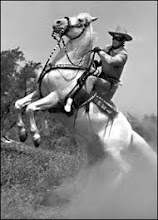
He thoughtfully marked the map with a freshly sharpened number 4HB red pencil and I would be his navigator. My job made me feel important like Tonto must have quietly realized as he showed the way to the Lone Ranger as they rode through canyon mountain passes.  His joy was to get into the countryside as quickly as possible, while I directed him along the rural two-lanes. 
We lived in a large town in eastern West Virginia. Country people called it a city, although it never got that close. The towns and hamlets on our route were filled with coal miners and loggers. Some roads were still hard packed dirt, which reminded us of another time when horses pulled farm wagons to town, to the granary, or the auction barn. The kids dressed like their working class parents and appeared older than they actually were. The boys wore ball caps with the company logo sewn on the front, faded and collar worn flannel shirts, and, if lucky, a Sears hood parka rimmed in fake fur for those cold days that required more. For some, televisions were only for “rich folks” which meant the kids spent time together, outside, experiencing their own brand of wild.
Jilly’s General Store, and gas station, Milton’s Pharmacy, Blazer and Sons Work Wear, Happy Foods grocery, and others like them sustained communities making them whole and grounded offering a home for those who wanted to stay or too afraid to leave. 
Dad would find a soda fountain store on a ‘Main Street’ and park. He would go inside, telling me to watch the car, and buy us a couple bottles of Cream Soda, or Old Fashioned Root Beer, along with hot dogs with all the fixings resting on a square of waxed paper lining  a red and white checked cardboard boat. We would sit in the car, the top down even if it was a chilly early spring day eating our lunch.
A gathering of kids, often riding bikes heading somewhere, maybe to the local river or stream to watch the thick muddied rushing, rising flood of white-capped waters as the snow melts, from intermittently warm sunny days, creating a torrent of sound; or off to play baseball for the first time after the long frozen winter, which stuck around longer than most desired, begins to show signs of thaw.
I remember biting into my hot dog when I saw two boys, only a few feet away, on their way to somewhere, stop like I would do soaking up the brilliantly colored exotic images in the National Geographic magazine, watching me in that same dreamy way with soft grins possibly wanting a chance at my little adventure, too.

By J 
(Offerings must have less than 780 word count.)