Tuesday, March 16, 2010

CLASS PICTURE

JPhoto


Those were the days my friends when we were called the Gang of Eleven. Eleven street boys from deep in the bowels of Chicago’s north side. City boys, rough-necks, street dogs. We were called all those names. We didn’t care. Lakeview, Wrigleyville, Addison street were our haunts. Infamous Clark street was filled with hippies, flower children, beaded girls with long dresses, bell bottomed jeans, and long, long hair. Stores had 
incense smells, like sandalwood, frankincense and myrrh wafting in the air as my friends and I walked down the street taking it in as if it were a historical event. An East Indian restaurant used strong curry spices filling my nostrils with these powerful, yet delicate odors.
The sidewalks were shared with older, drunken Vietnam Vets living on the street, sometimes mumbling into their grimy shirt collars, sleeping in secluded doorways on newspapers and flattened boxes, wrapped in their green army jackets with their name patches giving them identity when passersby eyes look the other way, covered in a filthy tossed off surplus sleeping bags unable to return to normal after time spent killing during a rainy season’s surprise ambush by Viet Cong underground cave dwelling soldiers, smoking opium, and eventually, passing into a point of no return. 
These older kids sat on street corners passing joints, playing music, drumming, singing and dancing like Native American Indians around a ceremonial campfire waving their arms up in the air, while swaying back and forth as if they were under the spell of a witch doctor or shaman. 
We were in Mr. D’s class all day because the principal didn’t want us moving from class-to-class, since he said we were “too disruptive”, and the teachers “would lose control of the room when we were in there.” School was cool. It was better than being on the street all day. We did learn. We all were good readers, and as a class, would write stream of consciousness collective stories taking turns creating crazy sentences. 
He made us each stand up at the knife scarred and use-warn ancient blackboard with the thick oak tray filled with yellow, pink, red, blue, green and white chalk and write our own sentence using the color of our choice, and then read it aloud facing our classmates with the same pride as delivering the State of the Union address. We did this more than once a week with the same excitement as when we would get an A on our spelling test. 
Mr. D would take us outside as often as he could. A large grassy field with trees lining the boundary was behind the school. We played softball in every type of weather. We all were Cubs fans. In the summer, I would ride my bike over to the ball park and listen to Jack Brickhouse call the games. On May 12, 1970, I cut school, and rode my bike to the ball park, and sat on the North Clark street curb, close to home plate, when I heard the crowd explode with joy after Ernie Banks hit his legendary 500 home run. “Jarvis winds away. That’s a fly ball, deep to left. Back, back, hey, hey, he did it! Ernie Banks got number 500!” 
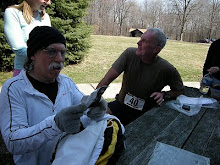
That moment remains as vivid in my mind as the day Mr. D had us celebrate a few days later, when the sky turned bright blue, and air was summer warm, out behind the school, we partied. Tony put his whole face in the cream pie. We came together as brothers, enjoying our bond, as Mr. D snapped a picture. 

by, J

(Entries must be 600 words or less.)

Saturday, March 13, 2010

SIGNS OF THAW

JPhoto

A drive in the country was a hobby my father loved to do most anytime he had the chance. Working in an office, leafing through legal books, studying case law made him feel caged in like a zoo animal that was exhibiting nervous stress knowing that life had its boundaries and there was no escaping it. So, to unwind and relax he would get in his weekend play toy-a 1967 canary yellow Camaro S.S convertible with double wide black racing stripes emblazoned upon the hood and trunk. The tires were beefy mounted on shiny dished chrome wheels. This was his wild thing. There was nothing tame about it. He loved the deep, haunting growl that the engine forced out through the straight piped dual exhaust when we pulled away from our red brick ranch with attached sunporch framed in jalousie windows separating the house from the two car garage. My sister would willingly stay home with mom watching cartoons dressed in her white flannel pajamas and furry pink slippers cozied up in that glassed room with its plush tan wall-the-wall carpet.
His weekend car made him feel free. Dad could put the week’s stress all behind him as he settled into the black bucket driver’s seat trimmed in shiny chrome piping. I loved to ride with him. 
He would wake up early on Saturday, pull out the road atlas from the bookshelf in the family room where a set of World Book Encyclopedias were displayed with pride, and choose a route that would take a few hours to cover. 
We had a subscription to National Geographic and the entire family would take turns reading then dreaming of the the vividly documented adventures. On Saturday dad would live his own, and I would ride along. He was the camel driver taking us through the landscape of our version of an exotic far-away place.
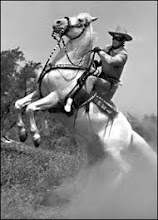
He thoughtfully marked the map with a freshly sharpened number 4HB red pencil and I would be his navigator. My job made me feel important like Tonto must have quietly realized as he showed the way to the Lone Ranger as they rode through canyon mountain passes.  His joy was to get into the countryside as quickly as possible, while I directed him along the rural two-lanes. 
We lived in a large town in eastern West Virginia. Country people called it a city, although it never got that close. The towns and hamlets on our route were filled with coal miners and loggers. Some roads were still hard packed dirt, which reminded us of another time when horses pulled farm wagons to town, to the granary, or the auction barn. The kids dressed like their working class parents and appeared older than they actually were. The boys wore ball caps with the company logo sewn on the front, faded and collar worn flannel shirts, and, if lucky, a Sears hood parka rimmed in fake fur for those cold days that required more. For some, televisions were only for “rich folks” which meant the kids spent time together, outside, experiencing their own brand of wild.
Jilly’s General Store, and gas station, Milton’s Pharmacy, Blazer and Sons Work Wear, Happy Foods grocery, and others like them sustained communities making them whole and grounded offering a home for those who wanted to stay or too afraid to leave. 
Dad would find a soda fountain store on a ‘Main Street’ and park. He would go inside, telling me to watch the car, and buy us a couple bottles of Cream Soda, or Old Fashioned Root Beer, along with hot dogs with all the fixings resting on a square of waxed paper lining  a red and white checked cardboard boat. We would sit in the car, the top down even if it was a chilly early spring day eating our lunch.
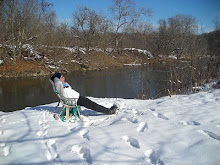
A gathering of kids, often riding bikes heading somewhere, maybe to the local river or stream to watch the thick muddied rushing, rising flood of white-capped waters as the snow melts, from intermittently warm sunny days, creating a torrent of sound; or off to play baseball for the first time after the long frozen winter, which stuck around longer than most desired, begins to show signs of thaw.
I remember biting into my hot dog when I saw two boys, only a few feet away, on their way to somewhere, stop like I would do soaking up the brilliantly colored exotic images in the National Geographic magazine, watching me in that same dreamy way with soft grins possibly wanting a chance at my little adventure, too.

By J 
(Offerings must have less than 780 word count.)